
Your Ultimate Guide to Sri Lanka’s Lion Rock Sigiriya Adventure in 2026
Introduction
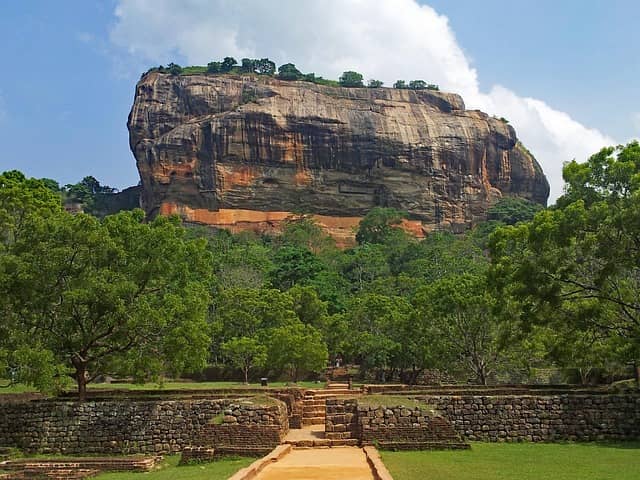
Hook readers with Sigiriya’s allure as the “Eighth Wonder of the World,” a 5th-century palace atop a 200m rock. Include the focus keyword early, stats on 1.2 million annual visitors, and a teaser for UK travelers (flights from London ~10 hours). End with what the post covers.
History of Sigiriya Rock Fortress
Detail King Kashyapa’s dramatic story—building the fortress amid a royal feud. Cover its UNESCO status since 1982 and decline into a Buddhist site.
Key Historical Features
🏰 1. Fortress of King Kashyapa
- Constructed by King Kashyapa I (r. 477–495 CE).
- Served as a royal citadel and palace atop a massive rock rising about 200 meters above the surrounding plains.
- Designed for defense, with strategic elevation and limited access routes.
🦁 2. Lion Gate (Sigiriya Lion Platform)
- The entrance halfway up the rock features enormous lion paws carved from stone.
- Originally, a full lion structure stood here—visitors entered through its mouth, symbolizing royal power.
- This is where the name “Sigiriya” (from Sinhagiri, meaning Lion Rock) originates.
🎨 3. Sigiriya Frescoes
- Famous ancient wall paintings located in sheltered rock pockets.
- Depict graceful female figures (often called celestial maidens or apsaras).
- Notable for their vibrant colors and advanced painting techniques that have survived over 1,500 years.
🪞 4. Mirror Wall
- A highly polished wall that once reflected the king’s image as he walked by.
- Covered with ancient graffiti (dating from the 6th–14th centuries), making it one of the earliest examples of recorded visitor impressions.
🌿 5. Water Gardens
- Located at the base of the rock and among the oldest landscaped gardens in the world.
- Feature symmetrical layouts, pools, fountains, and underground hydraulic systems.
- Some fountains still function during the rainy season—showing advanced engineering.
🌳 6. Boulder & Terrace Gardens
- Natural boulders integrated into the design for aesthetic and defensive purposes.
- Pathways wind through these formations, leading up to terraced levels of the rock.
🏯 7. Summit Palace
- Ruins of the royal palace at the top include foundations, cisterns, and throne-like structures.
- Offers panoramic views—ideal for surveillance and symbolic dominance.
🛡️ 8. Defensive Urban Planning
- Moats, ramparts, and guarded gateways surround the complex.
- Combines natural and man-made defenses, reflecting sophisticated military architecture.
📜 9. Post-Kashyapa Use
- After Kashyapa’s death, Sigiriya became a Buddhist monastery.
- Monks inhabited the site until around the 14th century.
How to Get to Sigiriya
From Colombo Airport (4-5 hours drive) or UK flights via direct routes. Options: taxi (LKR 15,000), trains to Dambulla then tuk-tuk, or tours. Best for budget-conscious Brits.
Visa and Entry for UK Citizens
ETA online (free 30-day extension possible); site ticket US$35 (includes museum).
Best Time to Visit Sigiriya
Dry season Dec-Apr for climbing (avoid May-Nov monsoons). Early morning (6-8am) beats heat and crowds; sunset from Pidurangala Rock alternative.
Climbing Sigiriya: Step-by-Step Guide
1.2km path with 1,200 steps; 1-2 hours up. Tips: wear grippy shoes, bring water, go midweek. Views of jungle and ruins from summit.
What to See on the Ascent
Nearby Attractions in the Cultural Triangle
Combine with Pidurangala Rock (panoramic views, LKR 300), Dambulla Cave Temple (1hr away), or Minneriya elephant safari.
Day Trip Itinerary
Morning Sigiriya, afternoon Pidurangala, evening Polonnaruwa ruins.
Where to Stay Near Sigiriya
Budget: homestays (LKR 5,000/night). Mid-range: Jetwing Vil Uyana. Luxury: Cinnamon Lodge. Tuk-tuk access key.
Eating in Sigiriya
Local rice & curry spots, elephant crossing roti shops. Try kottu roti; veggie options plentiful. Costs LKR 500-1,000/meal.
Practical Tips for UK Travelers
Pack sunscreen/hat (UV intense), respect dress codes (cover shoulders/knees), use ATMs in town. Safety: low crime, watch for monkeys.
Conclusion
Sigiriya stands as a remarkable symbol of ancient Sri Lanka’s ingenuity—blending royal ambition, artistic brilliance, and advanced engineering into a single monumental site. From the legacy of King Kashyapa I to its transformation into a monastic retreat, Sigiriya reflects both the power and spiritual depth of the island’s history. Its gardens, frescoes, and architectural mastery continue to inspire historians, travelers, and locals alike.